
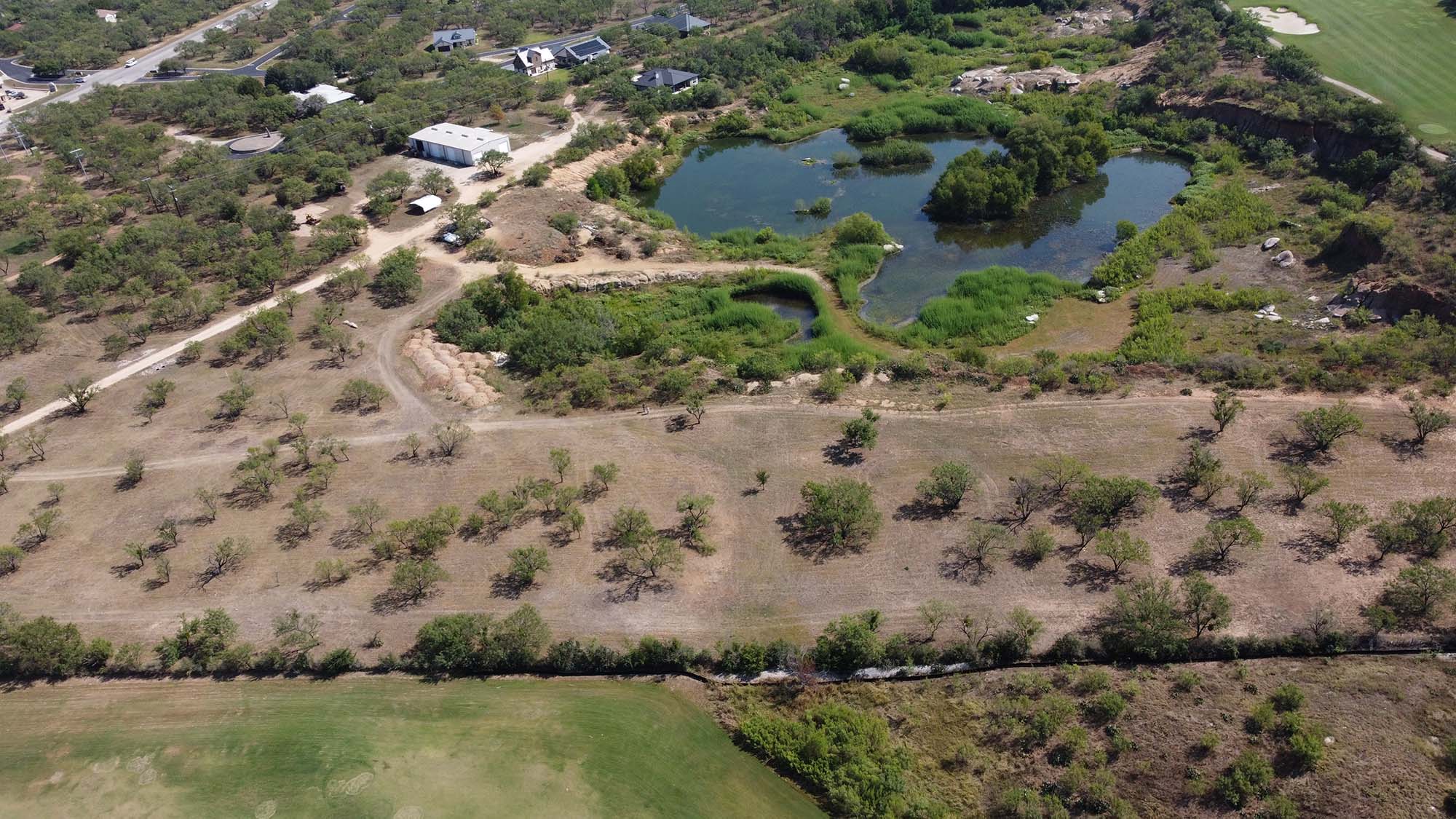
Short answer: Before buying Hill Country land, verify access, water availability, septic feasibility, soils and rock, floodplain, easements, and utility access. A beautiful view means little if the lot can’t be built on affordably. Walk it with a builder before you close.
Access and utilities
Confirm legal, year-round access and what it costs to bring power (or whether off-grid makes more sense). Long driveways and remote utility runs add real budget.
Water and septic
Can you drill a productive well? Will the soils support an aerobic septic system and drainfield? These determine whether — and where — you can build. See our wells and septic guide.
Land and legal
Check soils and rock (which drive excavation cost), floodplain, slope, drainage, and any easements or deed restrictions. Confirm the ag valuation status too — see our ag exemption guide.
Buildability
Identify the best building envelope for views, drainage, and access. A builder who walks the land can estimate site work and flag deal-breakers before you commit — the theme of our farm and ranch guide.
Frequently asked questions
What’s the biggest hidden cost in raw land?
Site work — rock excavation, long driveways, utilities, wells, and septic can add tens of thousands of dollars.
Should I get the land evaluated before buying?
Ideally yes. Walking it with a builder before closing can save costly surprises.
Request a free consultation and we’ll help you evaluate a lot before you buy.